Post-processing of test bed data
- Role —
- Developer
- Date —
- 2015
- Stack —
- C++/Qt, MATLAB, Analysis, FFT, Automation
Overview
Development of a MATLAB application designed to post-process and analyze data collected from truck engine test benches.
The tool automated the analysis of engine test measurements, with a focus on noise, vibrations, and other performance-related parameters.
Context
The client was conducting engine tests on dedicated test benches and generating large amounts of measurement data.
The analysis process relied on multiple manual operations to import, process, visualize, and compare test results.
The objective was to develop a dedicated tool to automate the post-processing workflow and provide engineers with a consistent way to analyze test data.
Challenge
The main challenges were:
- Process large volumes of measurement data efficiently
- Automate repetitive post-processing operations
- Analyze noise and vibration measurements
- Apply signal processing techniques to raw measurement data
- Provide relevant visualizations for engineers
- Make test results easy to compare and interpret
- Ensure consistent and reproducible analysis across test campaigns
- Handle different test configurations and measurement parameters
My Contribution
I was responsible for the design and development of the MATLAB application.
My main responsibilities included:
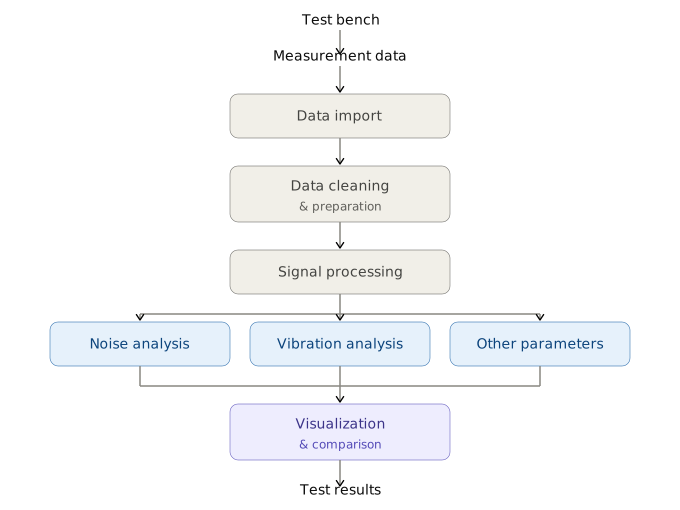
- Designing the application’s architecture and processing workflow
- Developing MATLAB algorithms for data post-processing
- Implementing signal processing and analysis functions
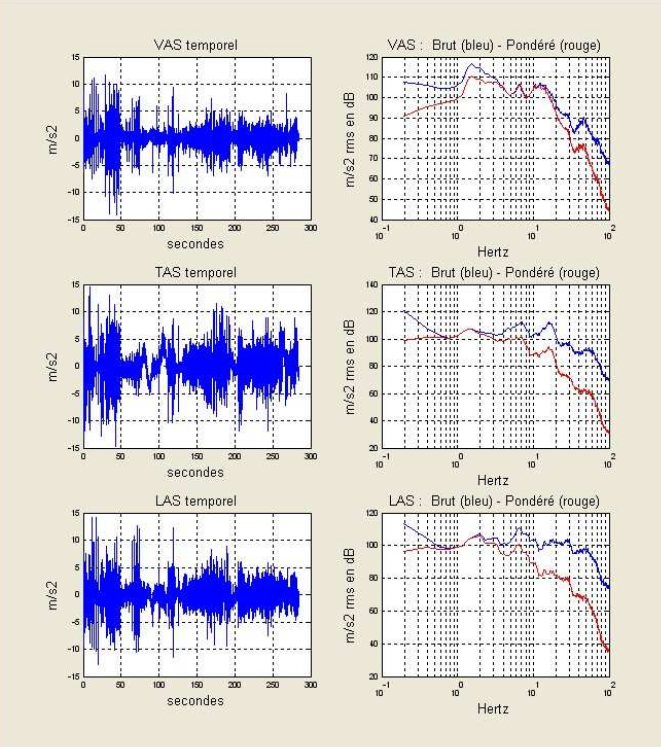
- Processing noise and vibration measurements
- Developing automated calculation and analysis routines
- Creating visualization tools for test results
- Implementing data filtering and transformation operations
- Designing user-oriented workflows for test engineers
- Improving the efficiency and reproducibility of the analysis process
Solution
The solution was developed as a dedicated MATLAB application capable of automating the complete post-processing workflow.
Raw test bench data could be imported into the application and processed through a standardized analysis pipeline.
The application performed data preparation, filtering, signal processing, and calculation of relevant indicators before generating graphical representations of the results.
Specific analysis modules were implemented for noise, vibration, and other engine-related measurements, allowing engineers to quickly identify trends, compare test configurations, and investigate abnormal results.
The automation of these operations significantly reduced the amount of manual processing required between a test campaign and the final analysis.
Architecture